Source Peanut Thresher for Peanuts, Wheat, and Soybean Processing
Find 30 peanut thresher units with vertical and horizontal structures for peanuts, wheat, and soybeans. Compare electric and diesel engine options, varying capacities, and customization availability to select the right machine for your agricultural needs.
Key considerations
Products List


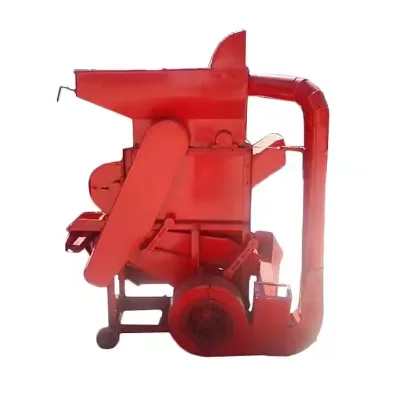

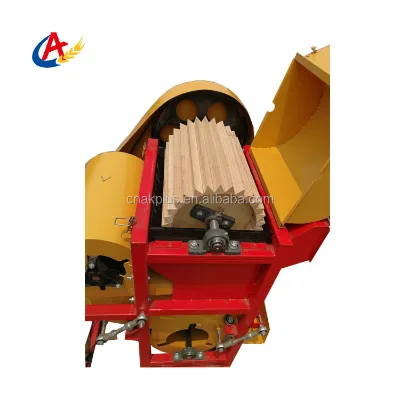
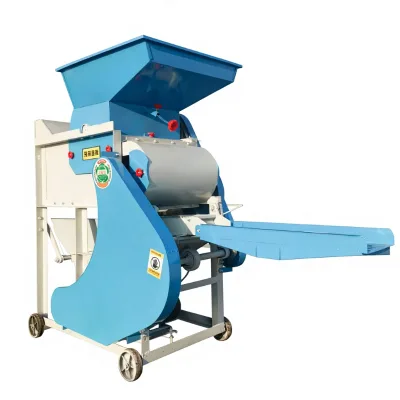


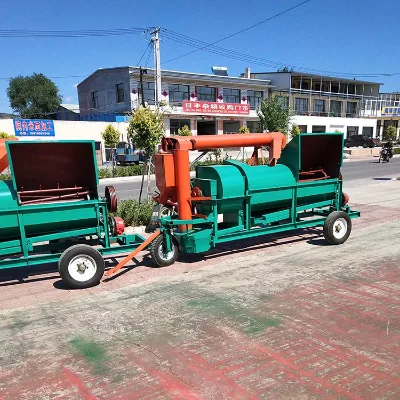


Comprehensive Sourcing Guide
Strategic Sourcing Guide for Peanut Threshing Equipment
Understanding Peanut Threshing Technology and Operational Scope
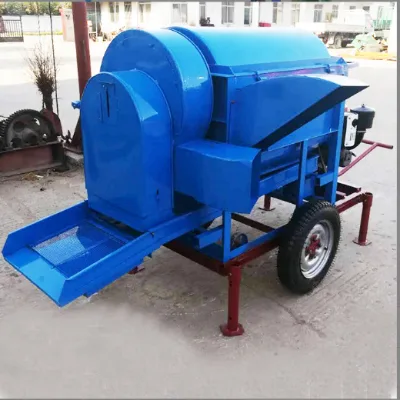
The procurement of peanut threshing machinery requires a precise understanding of the mechanical processes involved in separating peanut kernels from their shells. The core function of these units is defined as removing the shell of peanuts, a critical step in post-harvest processing that directly impacts yield and product quality. Buyers must recognize that these machines are primarily designed for the Agriculture application field, specifically targeting the Peanut application. While some units are specialized for peanuts alone, the market also presents hybrid models capable of processing Soybean alongside Peanut, offering versatility for farms with diverse crop rotations.
The structural design of these machines varies significantly based on the intended workflow and farm size. Observations indicate two primary structural configurations: Vertical and Horizontal. Vertical structures often utilize a specific configuration where the machine operates in an upright orientation, while Horizontal Cut Harvesters or Horizontal structures are designed for different flow dynamics. The drive type is another critical technical differentiator; some units utilize a Hard Shaft transmission, while others rely on a Vee belt system. The power source is predominantly Electric, though the market also offers versions equipped with Diesel Engines, providing flexibility for operations in areas with unstable grid infrastructure.
Voltage requirements are a primary consideration for international buyers. The supply chain presents units operating at 380V, which is standard for industrial three-phase power, as well as 220V units suitable for smaller-scale or single-phase operations. Power consumption varies widely, with observed ratings ranging from 3kw to 41kw, and specific models citing 5.5kw as a standard baseline. The drum rotation speed is a key performance metric, with specific models operating within a range of 490-650 R/Min. This rotational speed, combined with the crushing rate, which is observed to be ≤0.5 for certain high-efficiency units, determines the gentleness of the threshing process and the preservation of kernel integrity.
Technical Specifications and Performance Metrics
When evaluating technical specifications, buyers must look beyond the nominal power rating to understand the physical dimensions and capacity of the equipment. The physical footprint of these machines is substantial, with overall sizes observed ranging from compact units measuring 5055100cm to large industrial units reaching 340017001400mm. Specific model dimensions include 12916521720mm and 1.41.11.2m, which are critical for planning warehouse space and factory floor layout.
Capacity is a decisive factor in procurement. The throughput capabilities observed in the market vary from 300kg/H for smaller units, often based on Soybean processing, to 400kg/H for dedicated peanut models. Larger industrial variants may feature capacities that align with high-volume commercial operations. The weight of the machinery is another logistical consideration; specific units are recorded at 65kg, while larger industrial models will naturally be heavier. The harvesting method associated with these machines is typically Picking, indicating that they are often integrated into or follow the initial harvesting phase.
The cooling and separation systems are equally vital. Some advanced models are equipped with Double Fan systems, which enhance the separation of chaff and light debris from the threshed kernels. This feature is essential for achieving high purity in the final output. The customization options available in the market allow buyers to tailor the machine to specific crop varieties or operational constraints. Whether the machine is a Peanut Shelling Machine or a Peanut Picking Machine, the core mechanical principles remain consistent, but the specific configuration of the drum, fans, and feed mechanisms must be verified against the buyer's specific crop characteristics.
Compliance, Certification, and Safety Standards
In the global B2B market, compliance with international standards is non-negotiable for ensuring safety and operational reliability. Buyers should verify that the machinery meets specific certification requirements. The supply chain includes units certified under ISO standards, which indicate adherence to international quality management systems. Additionally, CE certification is a critical requirement for equipment intended for the European market, ensuring that the machinery meets EU safety, health, and environmental protection requirements.
Safety features are often embedded in the design, such as the use of Vee belts which can offer a degree of slip protection in case of overload, and Hard Shaft transmissions which provide robust power delivery. However, the absence of a specific certification in a product listing does not necessarily imply non-compliance; it may simply reflect a lack of documentation in the initial listing. Buyers must explicitly request proof of certification for the specific batch of equipment they intend to purchase.
The condition of the machinery is another compliance-related factor. The market predominantly offers New condition equipment, which ensures that the buyer receives a unit with full warranty coverage and no hidden wear. The packaging standards also play a role in compliance and safety during transit. Options include Wooden Case Packages and Export Wooden Crate Packaging, which are designed to protect the machinery from moisture and physical damage during long-distance shipping. Some units may be shipped Nude, which requires the buyer to arrange for additional protective packaging or crating upon receipt.
Cost Drivers and Pricing Variables
The pricing of peanut threshing machines is influenced by a complex matrix of factors, including power rating, structural complexity, and the inclusion of advanced features like double fan systems or diesel engines. The observed price range in the market is broad, spanning from 55 USD to 9500 USD. This wide variance reflects the difference between small-scale, portable units and large, industrial-grade machines.
Power consumption is a primary cost driver. Units with higher power ratings, such as those at 41kw, will naturally command a higher price point compared to 3kw or 5.5kw models. The version of the machine also impacts cost; Electric versions are generally standard, but Diesel Engine versions may carry a premium due to the added complexity of the engine and fuel system. Customization is another variable; while customization is available, any specific modifications requested by the buyer will likely increase the final cost.
The origin of the machine is a significant factor in pricing. Units originating from Zhengzhou Henan Province and Shijiazhuang, China, are common in the market. The location of the manufacturer can influence logistics costs, which are often factored into the final price. Additionally, the packaging type affects the cost; Export Wooden Crate Packaging is more expensive than Nude shipping due to the materials and labor involved. Buyers should be aware that the Minimum Order Quantity (MOQ) ranges from 1 to 5 units, which allows for flexibility in purchasing but may affect the per-unit cost if the order is small.
Supplier Evaluation and Origin Verification
When evaluating suppliers, buyers must prioritize transparency regarding the origin of the machinery. The market data indicates that products originate from specific regions in China, including Zhengzhou Henan Province and Shijiazhuang. Verifying the exact location of the factory is crucial for assessing the supplier's capability and the potential for logistical delays. Buyers should request detailed information about the manufacturing facility, including its size, production capacity, and history.
The model number is a key identifier for supplier verification. Specific models such as ATHS-600, Atzg-400, LY-20000, 5TG-60, and 5GRTD-900 are observed in the market. Each model number corresponds to a specific set of specifications and capabilities. Buyers should cross-reference the model number provided by the supplier with the technical specifications to ensure consistency. The presence of a specific model number in the supplier's catalog is a positive indicator of their product range and specialization.
Supplier reliability is also gauged by the clarity of their product descriptions. A reputable supplier will provide detailed information on the Application, Structure, Voltage, and Power of the machine. They should also be transparent about the Condition of the equipment, confirming that it is New. The availability of customization options is another sign of a flexible and customer-oriented supplier. Buyers should inquire about the supplier's ability to modify the machine to meet specific crop requirements or operational constraints.
Quality Control and Inspection Protocols
Quality control is essential to ensure that the purchased machinery meets the buyer's expectations and operational needs. Buyers should establish a clear inspection protocol before finalizing the purchase. This includes verifying the physical dimensions of the machine against the provided specifications, such as the Overall Size of 115014001200mm or 340017001400mm. The weight of the machine should also be verified, with specific units recorded at 65kg.
The performance of the machine is a critical quality metric. Buyers should request test results or performance data related to the Drum Rotation Speed and Crushing Rate. The observed crushing rate of ≤0.5 is a benchmark for high-quality threshing that minimizes kernel damage. The capacity of the machine, such as 400kg/H or 300kg/H, should be verified under actual operating conditions if possible. The functionality of the Double Fan system should also be tested to ensure effective separation of debris.
The packaging quality is another aspect of quality control. The machine should be securely packed in a Wooden Case Package or Export Wooden Crate to prevent damage during transit. Buyers should inspect the packaging upon receipt to ensure that the machine has not been compromised. The condition of the machine should be confirmed as New, with no signs of wear or prior use. The supplier should provide a warranty that covers any defects in materials or workmanship.
Long-Term Procurement and Operational Sustainability
Long-term procurement considerations involve evaluating the sustainability and scalability of the machinery. Buyers should consider the availability of spare parts and the ease of maintenance. The use of standard components, such as Vee belts and Hard Shafts, can simplify maintenance and reduce downtime. The customization options available in the market allow buyers to future-proof their investment by adapting the machine to changing crop requirements.
The energy efficiency of the machine is another long-term consideration. Units with lower power ratings, such as 3kw or 5.5kw, may offer better energy efficiency for smaller operations, while larger units with 41kw power ratings are designed for high-volume commercial use. The choice between Electric and Diesel Engine versions should be based on the availability of power sources and the cost of fuel in the buyer's region.
The lifecycle of the machine is also a factor. New condition equipment typically offers a longer lifespan and better performance than used units. Buyers should consider the total cost of ownership, including maintenance, energy consumption, and potential downtime. The supplier's reputation for after-sales support and technical assistance is crucial for ensuring the long-term success of the operation. By selecting a supplier with a strong track record and a commitment to quality, buyers can ensure that their investment in peanut threshing machinery delivers value over the long term.
Final Procurement Recommendations
In conclusion, sourcing peanut threshing equipment requires a meticulous approach that balances technical specifications, compliance, cost, and supplier reliability. Buyers must carefully evaluate the structural design, power requirements, and capacity of the machine to ensure it meets their specific operational needs. Verification of certifications such as ISO and CE is essential for safety and market access. The wide price range and MOQ flexibility offer opportunities for buyers of all sizes, but careful due diligence is required to avoid pitfalls.
By focusing on the core functions of removing the shell of peanuts and ensuring the machine is suitable for the Agriculture application field, buyers can make informed decisions. The availability of customization and the variety of models, from the ATHS-600 to the 5GRTD-900, provide a robust selection for the market. Ultimately, the success of the procurement process depends on a thorough understanding of the product attributes and a strategic approach to supplier evaluation.
FAQs
What is the primary function of a peanut thresher?
The primary function is to remove the shell of peanuts from the kernels. This process is critical for post-harvest processing and directly impacts the final yield and product quality for agricultural operations.
Which voltage options are available for these machines?
Available voltage options include 380V for industrial three-phase power and 220V for smaller-scale single-phase operations. Buyers must verify the specific voltage requirement based on their local power infrastructure before purchasing.
Can the machine be customized for specific needs?
Yes, customization is available to tailor the machine to specific crop varieties or operational constraints. Buyers should inquire about modifying the drum, fans, or feed mechanisms to meet unique requirements.
What certifications do these machines typically hold?
Some units hold ISO certification indicating adherence to international quality management systems, while others carry CE certification for European market safety. Buyers should explicitly request proof of certification for the specific batch they intend to purchase.
How is the capacity of the machine measured?
Capacity is measured in kilograms per hour, with observed rates ranging from 300kg/H to 400kg/H depending on the model. Larger industrial variants may feature higher capacities suitable for high-volume commercial operations.
What is the standard packaging for export?
Standard export packaging includes Wooden Case Packages or Export Wooden Crate Packaging designed to protect the machinery during transit. Some units may be shipped nude, requiring the buyer to arrange additional protective crating upon receipt.